

Atacama tours cover some of the strangest, starkest landscapes on the planet, and after comparing every option bookable out of San Pedro de Atacama, I can say the hardest part of planning this trip is not finding a good tour, it is choosing between several genuinely good ones. This page compares 9 real excursions, priced from EUR 27 to 240, spanning sunset valley walks, pre-dawn geyser fields, salt-water lagoons and a multi-day border crossing into Bolivia. If you only read one section, read the next two: I will tell you exactly what I would book first and why, and what each of the 9 options actually costs.
What Makes Atacama Tours Worth Booking?
The Atacama Desert is the driest non-polar desert on Earth, and that dryness is the whole reason the landscapes here look the way they do. Wind-carved salt mountains, geyser fields at 4,300 meters, and night skies clear enough for professional observatories all trace back to the same basic fact: almost no moisture, almost no cloud cover, almost no light pollution once you are a few minutes outside town.
I think that combination earns the desert a real spot on a South America itinerary, not just a stopover between Santiago and somewhere else. The honest caveat is who it does not suit: if early starts, long drives and a few nights of genuine cold sound more exhausting than exciting, this is not your trip. For a fuller, more balanced case for and against visiting, our Atacama Desert travel guide weighs the trade-offs in more depth than I can fit here.
How Much Do Atacama Tours Cost?
Across the 9 tours compared on this page, prices run from about EUR 27 for the half-day stargazing tour up to roughly EUR 240 for a bundled 3-day, 4-excursion combo. Most single-day desert excursions, Moon Valley, El Tatio, the Piedras Rojas and altiplanic lagoons circuit, sit between EUR 40 and 80 per person, usually including transport and a bilingual guide. Shorter lagoon and hot-spring trips run cheaper, closer to EUR 35 to 60, since they cover less ground and a shorter day.
What actually moves the price is not the landscape itself, it is what is bundled in. Some tours include the park or lagoon entrance fee outright; others, like the Puritama hot springs transfer, charge only for the ride and expect you to buy admission separately. I would always check the included and not-included lists on the specific listing before comparing two tours purely on their headline price, since a cheaper tour with a separate entrance fee can end up costing about the same as a pricier all-in one. The exact current price for each tour, checked recently, is in the comparison table below this article.
Which Atacama Tour Should You Book First?
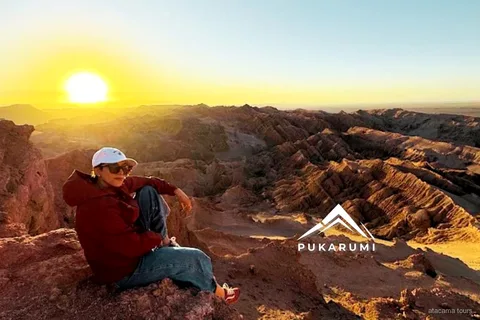
If I had to pick one tour for a first-time visitor, I would book the Moon Valley sunset tour without hesitation. It runs at a forgiving low altitude, needs no acclimatization, and times its final stop at Mirador de Kari to catch the exact window when the Cordillera de la Sal shifts from gold to deep red. It is also the broadest single introduction to why people fly across the world for this particular desert.
From there, I would build the rest of the trip around contrast rather than repetition. Pair the sunset tour with the stargazing tour the same evening if your schedule allows it: the two experiences are really two halves of the same geography, the valley’s color by day and the sky’s darkness by night, and doing both back to back is common among visitors with only a couple of nights here. For your one full-day excursion, I would lean toward the Piedras Rojas and Altiplano Lagoons tour over a single-stop alternative, since it genuinely covers three distinct landscapes, red rock, high lagoons and a flamingo-filled salt flat, in one trip rather than three separate early mornings. If a sub-4am wake-up for El Tatio sounds like too much on top of that, I would not force it. Save the geysers for a later trip or a longer stay instead of cramming every excursion into a short visit.
Stargazing Under the Darkest Skies in the World
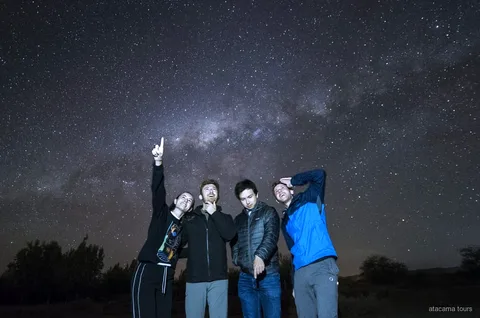
The Atacama Desert’s combination of extreme dryness, high altitude and minimal cloud cover is why international observatories were built here instead of almost anywhere else on the planet. A guided stargazing tour gets you a telescope, a guide who knows exactly where to point it, and a short drive to a site chosen specifically to avoid San Pedro de Atacama’s own modest street lighting.
I think this is one of the best-value bookings in the entire desert. A decent travel telescope alone costs more than several of these tours combined, and on a clear, moonless night the Milky Way is dense enough to look almost solid, something that is genuinely rare to see from anywhere with real light pollution. The one honest catch is weather and moon phase: a full moon washes out the fainter detail, so if the sky matters most to you, ask your operator about the lunar cycle before locking in a date. Our stargazing and astronomy tours guide breaks down the different formats, from naked-eye sessions to dedicated astrophotography outings, in far more detail.
Valle de la Luna: Walking Through a Lunar Landscape
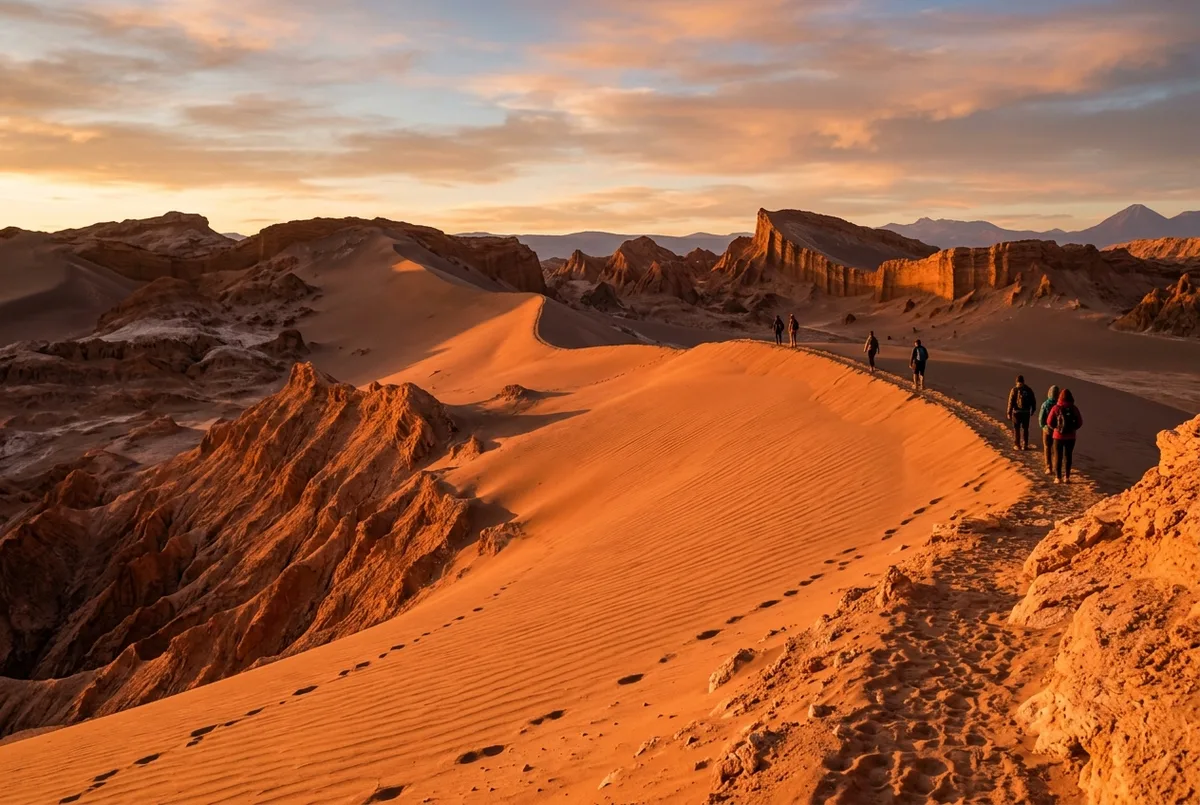
Valle de la Luna earns its name honestly. Ancient lake sediment and salt deposits have been carved by wind into dunes, ridges and canyons across the Cordillera de la Sal that genuinely look lunar, especially once low sunlight throws long shadows across the salt formations. The valley’s best-known stops, the Tres Marías formation and the Mirador de Kari sunset viewpoint, are the reason this is usually the single most photographed site in the whole desert.
I would not treat this as a one-visit box to tick. A sunset tour and a daytime, walking-focused visit are genuinely different experiences of the same place: the sunset version is built around one short, dramatic light window, while a daytime visit lets you wander at your own pace over a longer stretch. Our Valle de la Luna tours guide compares the sunset, daytime and e-bike versions side by side if you are deciding which format fits your trip.
Is El Tatio’s 4am Start Worth It?
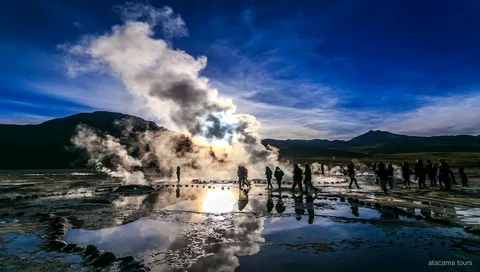
El Tatio is the third-largest geyser field in the world and the largest in the Southern Hemisphere, sitting at around 4,300 meters in the highlands north of San Pedro de Atacama. The reason tours leave before dawn is simple physics: the steam columns only look dramatic when near-freezing night air meets the ground’s geothermal heat, a window that closes within an hour or two of sunrise.
I would still set the alarm, even knowing how brutal a sub-4am pickup feels on holiday. The visual effect genuinely does not work later in the morning once the thin desert air warms, and no amount of convenience makes up for missing it. What I would not do is schedule this for your first morning in San Pedro de Atacama. The jump to 4,300 meters on very little sleep is a real physical stress, and spacing it a day or two after arrival, once you have adjusted to the town’s own lower altitude, makes the whole outing considerably more comfortable. Our El Tatio Geysers visitor guide covers the full timing, ticket and packing picture if you want the details before booking.
Salt Flats, Lagoons, and Wild Flamingos
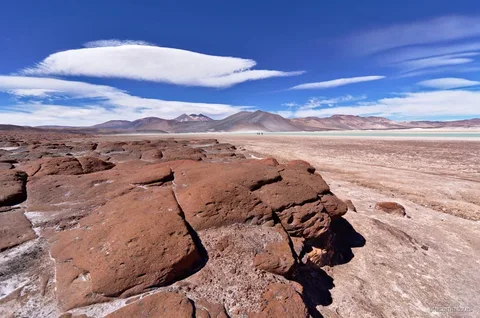
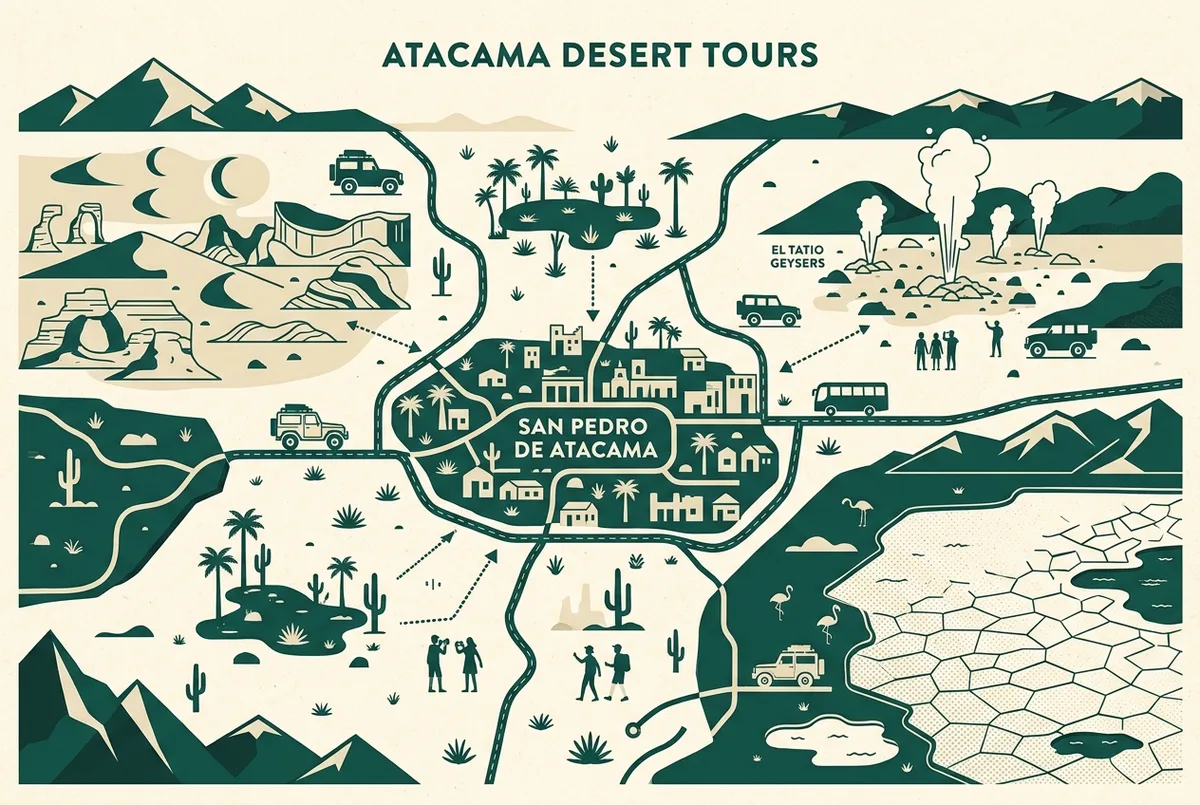
The Salar de Atacama, Chile’s largest salt flat, feeds a cluster of lagoons and springs that between them cover some of the most varied scenery in the desert: the red-oxidized rock of Piedras Rojas, the high-altitude Miscanti and Miñiques lagoons, the swimmable salt water of Laguna Cejar, the quieter turquoise pools at Baltinache, and the warm natural pools at Puritama. Chaxa Lagoon, inside the same salt flat, is where Andean, Chilean and James’s flamingos feed in the shallow brine, though numbers shift with the season and a sighting is never guaranteed on any given day.
If floating is specifically what you are after, I would book Laguna Cejar over Baltinache right now, since it sits closer to town and currently allows swimming, while floating at Baltinache is paused for the lagoons to regenerate. If you would rather cover more ground in one trip, the full-day Piedras Rojas and Altiplano Lagoons tour bundles the red rock, the two highland lagoons and Chaxa together, which I think beats booking three separate half-days for most itineraries. Our Salar de Atacama and altiplanic lagoons guide lines up every lagoon and springs option by distance, altitude and what each one actually includes.
Should You Add the Uyuni Salt Flat to Your Trip?
Bolivia’s Uyuni Salt Flat, the largest in the world, is reachable from San Pedro de Atacama as a multi-day overland trip crossing the border, typically three days, with basic shared lodging along the route. It is a genuinely different trip from every single-day excursion on this page, both in length and in the kind of travel experience it asks for.
I would only add this if you have at least four or five days total in the region, since squeezing it onto the end of a short Atacama trip tends to leave both halves feeling rushed. The trade-off is real: three days away from San Pedro de Atacama and basic accommodation, against the mirror-effect photos the salt flat is famous for in wet season and a genuinely different landscape than anything on the Chilean side of the border. Our Uyuni Salt Flat tours guide covers the border crossing, lodging and whether the trip is worth it for your specific itinerary.
How Many Days Do You Need in the Atacama Desert?
Most visitors need 3 full days to cover stargazing, Valle de la Luna and one full-day excursion, El Tatio or the Salar and lagoons circuit, without rushing between them. Two days works if you are comfortable dropping one of those three, and a single day realistically covers only one excursion plus maybe a short visit to the town itself.
I would build around 3 days as the real minimum for a first visit, and I would not try to cram El Tatio, a full altiplano day and a sunset Moon Valley tour into back-to-back mornings. The early starts and altitude changes add up fast, and a rest morning between the hardest excursions makes the whole trip more enjoyable rather than less efficient. Our Atacama Desert itinerary guide breaks down exactly what fits into 1, 2 or 3 days, plus how the pre-packaged combo tours compare to booking everything separately.
How Do You Get to San Pedro de Atacama?
The most common mistake in planning this trip is treating Santiago as a reasonable day-trip base. It is not: Santiago sits roughly 1,600 kilometers south of San Pedro de Atacama, far too far for anything but a dedicated multi-day visit on its own. The real route is to fly into Calama, the nearest airport with regular domestic service, then transfer by road for about 1.5 hours to reach San Pedro de Atacama itself.
I would book that transfer, whether a shared shuttle or a private car, before you land rather than figuring it out at the airport, since Calama is a working mining-industry town with limited reason to linger. Our guide to getting to San Pedro de Atacama covers the Calama transfer options and the realistic travel times from Santiago in more depth.
How Do You Book Atacama Tours Safely?
San Pedro de Atacama has dozens of local operators, and most visitors book either through an established online platform or in person at an agency once they arrive in town. The markers of a safe booking either way are the same: free cancellation, a clear cancellation window, instant confirmation, and a secure payment method rather than cash handed over with no receipt.
I would always favor free cancellation over a marginally cheaper non-refundable rate, since weather and altitude both genuinely change plans here more often than on a typical city trip. I would also be cautious about any operator unwilling to spell out exactly what is and is not included, since that is usually where a cheap-looking price turns out to have a separate entrance fee waiting at the gate. Our guide to choosing a tour operator in San Pedro de Atacama covers group size, guide language and cancellation policies in more detail if you want to compare booking channels before you commit.
Where Should You Stay in San Pedro de Atacama?
San Pedro de Atacama’s town center is small enough to cover on foot, and most tours pick up directly from your accommodation, so where you sleep matters mainly for convenience rather than for reaching any specific excursion. Staying near the main plaza puts you within walking distance of restaurants and the craft market; a quieter lodge further out trades that walkability for more space and a calmer setting.
I would choose central over quiet if most of your tours start before dawn, since a shorter walk to a pickup point matters more at 4am than it does at a reasonable 9am departure. If your trip leans toward longer stays and slower mornings, a lodge outside the center is a perfectly reasonable trade. Our where to stay in San Pedro de Atacama guide covers the main areas and what each one actually suits.
Best Time of Year, Altitude, and What to Pack
The desert is dry enough that almost any month works for sightseeing, but a few things shift by season. Daytime heat and strong sun are fairly constant year round, while nighttime and pre-dawn temperatures swing sharply cold, especially at altitude, and the brief altiplanic winter brings a small chance of rain in the highlands. For stargazing specifically, a new moon shows the most stars, since there is no moonlight washing out the fainter Milky Way detail.
Altitude is the other variable worth planning around. San Pedro de Atacama itself sits at a mild 2,400 meters, genuinely easy for most travelers, but El Tatio and the altiplanic lagoons climb past 4,000 meters, where headaches and shortness of breath become more common even for healthy visitors moving fast into thin air. I would give yourself a day or two at the town’s lower elevation before booking either of those, rather than scheduling a high-altitude excursion straight off a flight.
Pack in real layers rather than one jacket. Bring sun protection and closed shoes for sandy, salty terrain, swimwear and a towel if a lagoon or hot spring is on your plan, and a reusable water bottle, since there is nowhere to buy drinks once most tours leave town. The Atacama Desert on Wikipedia has a useful overview of the region’s climate if you want the background behind these swings, and Chile’s official tourism board, SERNATUR, publishes general guidance on visiting the Salar de Atacama area responsibly.
Who Should Skip an Atacama Tour?
I would not recommend this trip to anyone traveling with an infant or a toddler and a packed multi-day itinerary. Several of the best tours here either exclude young children outright or involve a pre-dawn start and sharp altitude gain that are genuinely hard on an adult, let alone a small child. Families in that situation are better served sticking to the lower-altitude, more relaxed options, like a daytime Moon Valley visit or a short lagoon trip, rather than attempting the full highland circuit.
Anyone with a diagnosed heart condition, uncontrolled high blood pressure or a recent respiratory illness should also be cautious about the highest-altitude excursions specifically, and should talk to a doctor before booking El Tatio or the altiplanic lagoons tour. For everyone else, I think this desert rewards exactly the kind of planning this page is built around: picking 2 or 3 tours that genuinely contrast with each other, giving yourself a realistic number of days, and booking through a channel that lets you change your mind if the weather, or your own energy, does not cooperate.